

When strategy isn’t enough
2024 has made stability a luxury. Boards across the globe are wrestling with concurrent shocks: an accelerating energy transition, ESG pressure, and rolling geopolitical turbulence. In this landscape, conventional business plans age into wastepaper fast.
The challenge is no longer simply what to do, but how to build a company that is not only competitive, but shock-resilient.
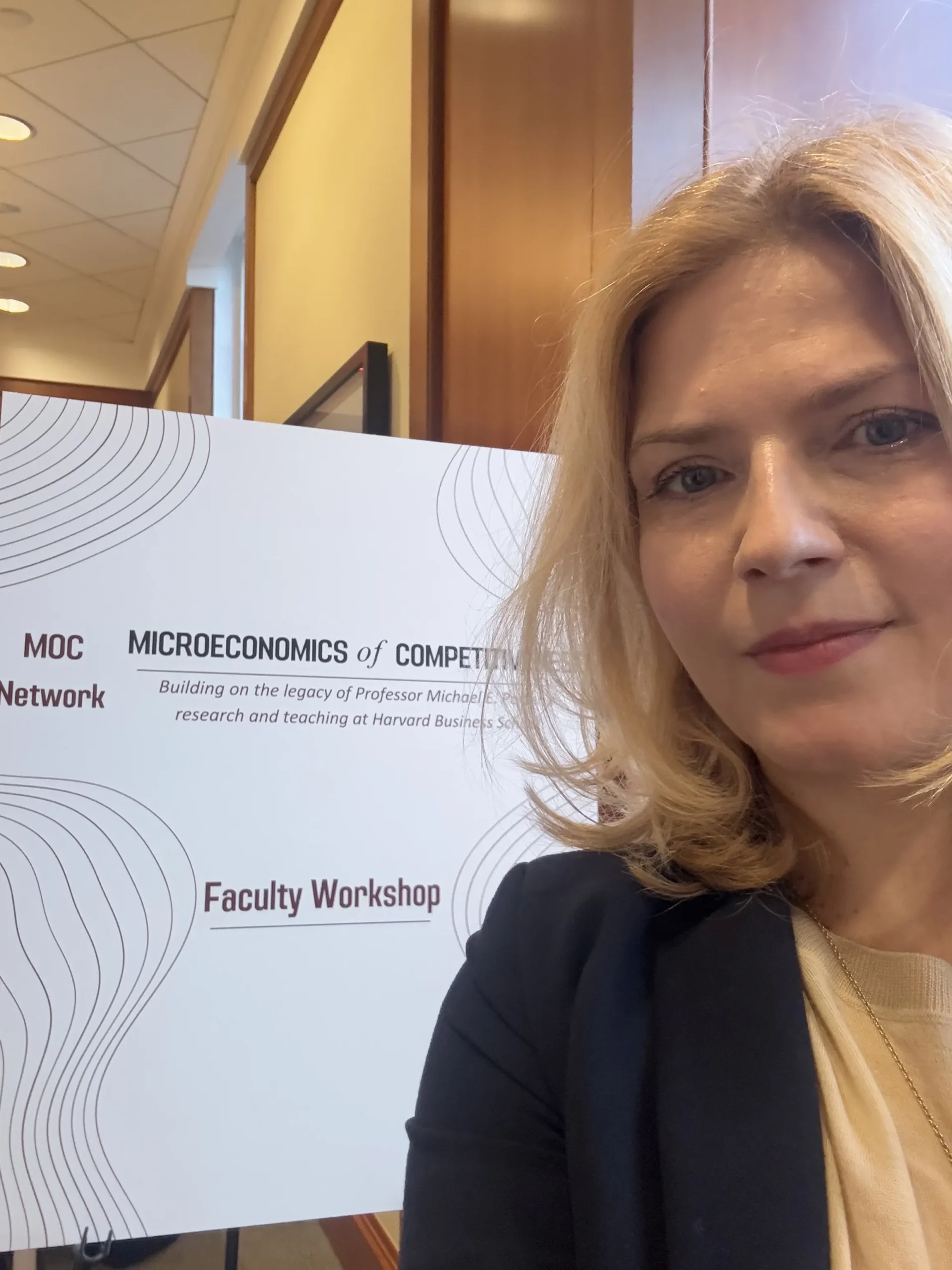
As an adviser on strategic innovation working with Fortune 500 boards, I find the key to resilience in a foundation I had the privilege to study at Harvard Business School—the Microeconomics of Competitiveness (MOC) programme, created by Professor Michael Porter himself.
Back to first principles: what true competitiveness is
My MOC journey—beginning with research on innovation clusters (such as the Warsaw Gaming Cluster) and reinforced through workshops in Cambridge, Massachusetts—equipped me with one priceless instrument: multi-layered strategic analysis.
Porter teaches that competitiveness is far more than being cheaper or larger. It is the ability to achieve sustained, balanced growth—what he frames as shared value & prosperity—creating value for the firm and its broader environment.
Board-level question:
Does your current transformation strategy (decarbonisation, digitisation, etc.) truly raise productivity and resilienceacross the whole ecosystem—or does it merely meet the market’s minimum bar?
In the MOC worldview, strategic innovation isn’t about copying trends. It’s about deliberate, precise positioning within global value chains.
From Cambridge to Silicon Valley: strategy plus scale
Joining the international community of MOC professors and practitioners is more than a badge of honour; it is a knowledge network that allows me to deliver not just theory but also tested, scalable solutions to clients in Poland and abroad.
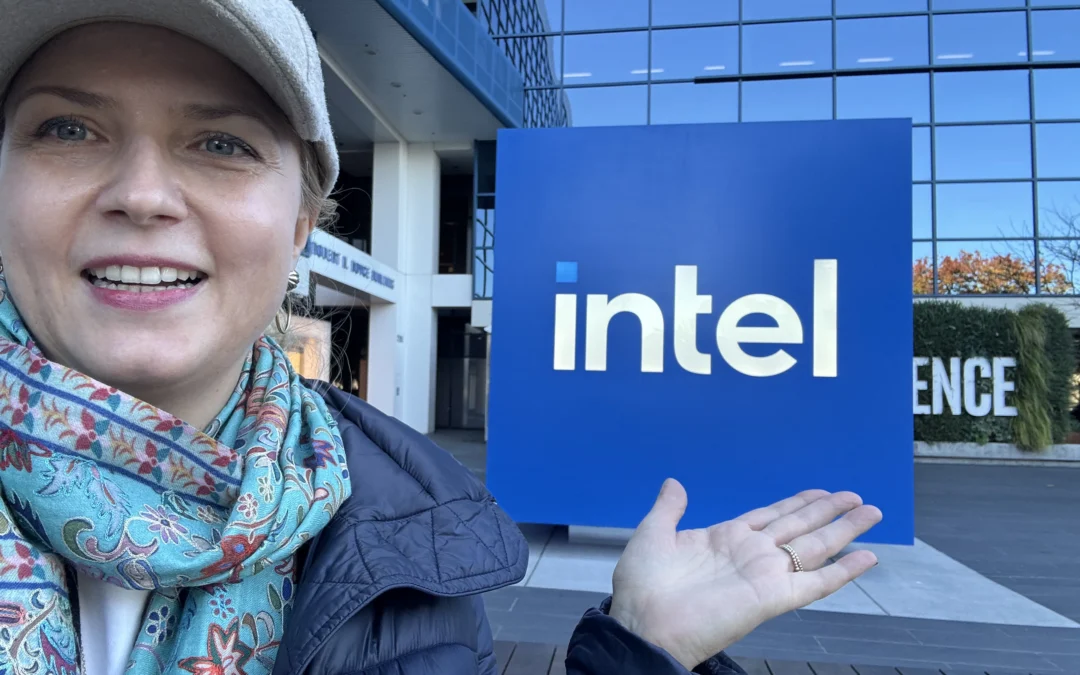
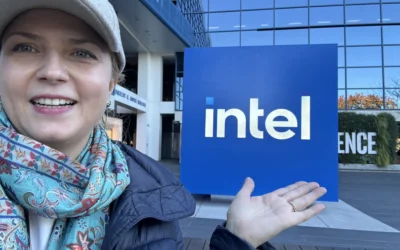
In December, I took part in strategy workshops at Stanford University and a study tour across Silicon Valley. Not tourism—targeted integration of two essential worlds:
- HBS (East): strategic bedrock, analytical rigour, modelling competitive advantage.
- Stanford / Silicon Valley (West): a hyper-growth culture of scaling innovation.
Only by combining these perspectives—the strategic-visionary with the pragmatic-operational—can we craft strategies that are both resilient (Porter) and scalable (Silicon Valley).
The road ahead: how to design a market leader
When advising B2B clients today, we start from the bedrock:
- Competitiveness Audit (MOC-style): Where are the structural gaps in your value chain? Is your innovation truly distinctive—or merely a costly replication of the market norm?
- Designing Resilience: Can your business model absorb shocks (e.g., energy price spikes, ESG regulation) without eroding profitability? Resilience is the innovation.
- Global Scaling: We use MOC perspectives to define the addressable market globally, benchmarked against the world’s most innovative ecosystems.
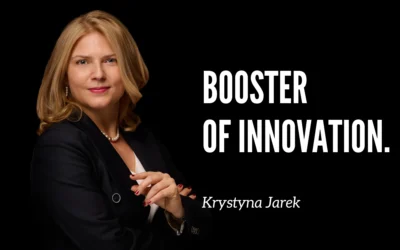
Booster of Innovation is not “just another” advisory. We deliver strategic innovation grounded in Michael Porter’s thinking—and battle-tested in the crucible of Silicon Valley.
It’s not enough to follow trends. You must learn to design your own durable competitive advantage.
BOOK A STRATEGY CONSULTATION WITH A MOC EXPERT
Curious how Harvard Business School’s MOC framework can translate into resilience, productivity, and long-term competitive advantage for your organisation in a volatile market?
Schedule a 15-minute introductory call, and let’s redesign your innovation strategy—systematically.



0 Comments